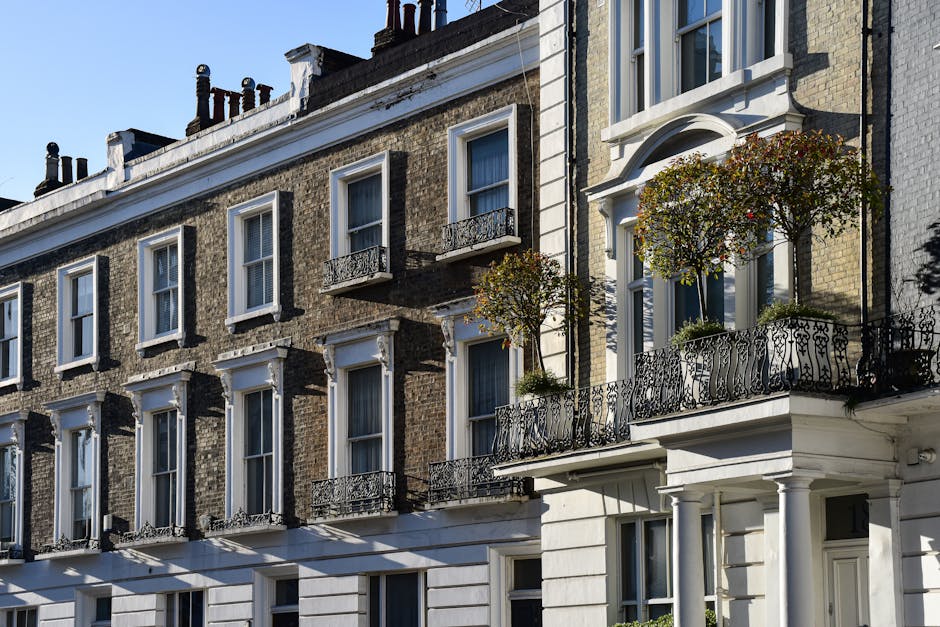
Best gardeners for Kensington High Street flats W8
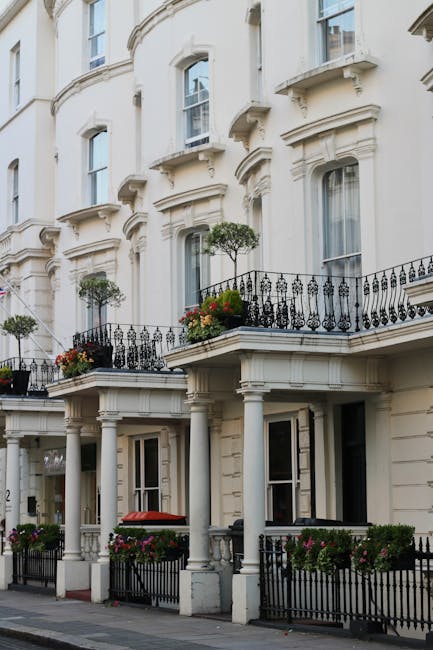
If you live in a flat on Kensington High Street, you already know the green space question is a bit different from the average London garden. You may have a compact courtyard, a balcony planter setup, a communal frontage, or a roof terrace that needs regular care without upsetting neighbours, porters, or building rules. That is exactly why finding the Best gardeners for Kensington High Street flats W8 matters: not just someone who can cut hedges, but a team that understands tight access, quiet working, waste handling, and the careful, tidy finish that flat living demands.
In practice, good flat-garden care is part horticulture, part logistics. The right gardener keeps plants healthy, spaces usable, and everything looking intentional rather than overgrown. And yes, in a busy stretch of W8, that little difference shows quickly. Below, you will find a practical guide to choosing well, what to expect, and how to avoid the common headaches that come with urban gardening. Let's keep it simple and useful.
Why Best gardeners for Kensington High Street flats W8 Matters
Flat gardens in Kensington are rarely "just a garden". They often sit within shared buildings, design-led developments, mansion blocks, or serviced properties where presentation counts. One untidy planter or a patch of dead grass can stand out more than you'd expect. That is why choosing the Best gardeners for Kensington High Street flats W8 is about more than appearance. It is about reliability, discretion, and knowing how to work in a built-up, high-footfall environment.
There is also the practical side. Flats usually have less storage, less outdoor working room, and more restrictions around noise, access times, and waste removal. A gardener who is used to standard suburban plots may do fine in theory, but still leave you with awkward timing, messy cuttings, or plants that were chosen for the wrong light conditions. To be fair, that gets old fast.
When gardening is done well, the benefits are immediate: calmer outdoor space, healthier planting, fewer maintenance headaches, and a nicer first impression for visitors. In a neighbourhood like W8, where people notice details, that matters.
How Best gardeners for Kensington High Street flats W8 Works
The process usually starts with assessing the space properly. For flats, that means looking at sunlight, wind exposure, drainage, pot size, access routes, and whether the space is private, communal, or visible from the street. A good gardener will not simply offer a quick trim and disappear. They will think about what will survive, what will thrive, and what will make sense over time.
Typical flat-garden work may include routine upkeep, seasonal planting, lawn care where grass exists, hedge trimming, container planting, leaf clearance, pressure-free tidying of hard surfaces, and in some cases soft landscaping improvements. If the space is badly cluttered or has been left for a while, a one-off garden clearance may be the better starting point. You can explore that kind of support through garden clearance services.
Many Kensington flat owners prefer a regular maintenance schedule. That keeps things manageable. Instead of waiting for the whole space to turn into a small jungle by late summer, the garden stays under control with lighter, more predictable visits. It is a bit like keeping on top of housekeeping rather than doing a panic clean every six months. Not glamorous, but it works.
If the building has shared external areas, good communication matters too. The gardener may need to coordinate with managing agents, concierge staff, or neighbours to avoid disruption. This is where a professional team with a broader services overview can be useful, because they are used to handling different property types and requirements in a tidy, organised way.
Key Benefits and Practical Advantages
There are several reasons people search for the Best gardeners for Kensington High Street flats W8 rather than just "a gardener near me". The real value shows up in everyday use.
- Space that feels usable: A neat balcony, terrace, or courtyard becomes somewhere you actually want to sit.
- Better plant health: The right watering, feeding, pruning, and positioning prevents common flat-garden problems.
- Less stress: You do not have to remember what needs doing, when to trim, or which plant is struggling.
- Cleaner presentation: Important for flats visible from communal walkways or street level.
- Lower long-term cost: Regular care is often cheaper than letting issues build up and needing major corrective work later.
- Neighbour-friendly upkeep: A tidy, low-disruption gardener respects shared living.
There is also a subtle but real lifestyle benefit. When a small outdoor area is healthy and neat, it changes how the whole home feels. You notice it in the morning light, in the smell of fresh cuttings after pruning, in how much more inviting the space looks with simple seasonal planting. A tiny oasis is still an oasis.
Who This Is For and When It Makes Sense
This service makes sense for a surprisingly wide range of people. If you have a flat with a balcony garden, roof terrace, courtyard, or shared frontage, you are probably in the right audience already. It also suits landlords, letting agents, building managers, and residents' associations that need dependable, regular upkeep.
Here are some common scenarios:
- You have planting that looks fine in spring but struggles by late summer.
- You want the outdoor area kept presentable without constant personal effort.
- Your terrace has pots, climbers, or herbs that need specialist care.
- The communal garden is technically "there", but nobody seems to have a plan for it.
- You are preparing a flat for sale or new tenants and need it looking sharp quickly.
If the work is more about reshaping the whole outdoor space than routine upkeep, you may need help from a broader landscaping team. In that case, landscape gardening support or landscaping services may be the better fit, especially if the layout, drainage, or planting scheme needs a rethink rather than a simple tidy.
Truth be told, many flat owners wait too long. They think, "It's only a small space, I'll sort it later." Then later arrives with dry soil, leggy plants, mossy paving, and a couple of planters that have become tragic, really. Regular maintenance prevents that slow drift.
Step-by-Step Guidance
If you want the best result, a sensible process helps. Here is a practical way to handle it.
- Define the space clearly. List what you actually have: balcony, courtyard, roof terrace, front garden, shared garden, or a mix of these.
- Work out the priority. Do you need routine upkeep, a one-off rescue, planting advice, or a larger refresh?
- Check access and restrictions. Think about lift access, storage, waste routes, noise limits, and any building rules.
- Ask for a maintenance plan. A proper gardener should explain frequency, seasonal tasks, and likely outcomes in plain English.
- Agree on the level of finish. Some people want immaculate. Others want neat, natural, and easy to sustain.
- Book the right service mix. You might need lawn mowing, hedge trimming, or general garden maintenance depending on the space.
- Review after the first visit. A good service improves over time when expectations are clear.
One small but useful tip: take photos before the first visit. Not because the gardener needs a dramatic "before and after" moment, but because it makes it easier to track what changed and what still needs attention. Handy, simple, done.
Expert Tips for Better Results
A flat garden in W8 can look excellent with surprisingly little work, provided the basics are right. The tricky part is consistency. Here are the points worth focusing on.
- Match plants to light, not wishful thinking. North-facing terraces and shaded courtyards need different choices from sunny upper-floor balconies.
- Use containers that drain well. Waterlogged pots are one of the most common reasons plants fail in flats.
- Prioritise structure. Even a small area benefits from a few evergreen shapes, not only seasonal flowers.
- Keep hard surfaces clean. Leaves, algae, and dust build up quickly in city settings and can make the whole space feel neglected.
- Trim lightly but regularly. Waiting too long creates more stress for the plant and more work for everyone.
- Plan for the wind. High-level terraces and exposed corners often need staking, heavier pots, or more sheltered planting.
For thicker growth, climbers, and boundary planting, routine trimming matters more than many people expect. If you have mature shrubs or a screen boundary, hedge trimming can keep the edges tidy without losing the shape. And if a tree is crowding light or becoming unsafe, professional tree lopping and removal may be needed, though that should always be approached carefully and proportionately.
Expert summary: The best flat-garden results usually come from consistency, good plant selection, and tidy routines rather than dramatic one-off interventions. Keep it light, keep it regular, and the space stays manageable.
Common Mistakes to Avoid
There are a few mistakes that show up again and again in Kensington flat gardens. None of them are unusual, and that is exactly why they are worth flagging.
- Choosing plants for looks alone. Beautiful at the nursery does not always mean suitable for a windy terrace or shaded courtyard.
- Ignoring access limitations. A gardener may be excellent, but if tools, waste, or materials cannot be moved efficiently, the job becomes awkward.
- Letting maintenance slide. Small spaces can deteriorate fast because every problem is visible.
- Overwatering containers. Flat owners often care deeply and then accidentally drown the plants. It happens. More often than people admit.
- Picking the cheapest option with no plan. Cheap and cheerful can become expensive if the work needs redoing.
- Forgetting waste handling. In urban settings, cuttings and debris need to be removed properly and neatly.
Another common issue is hiring someone who is good with lawns but weak on terrace planting or shared-space etiquette. Different spaces need different skills. That is why a proper check of the provider's range matters, not just a glance at a price. If the space has been heavily neglected, a first-pass garden clearance can reset things before regular maintenance begins.
Tools, Resources and Recommendations
You do not need a van full of kit to care for a flat garden, but professionals should bring the right tools for a clean, efficient result. For most Kensington flat jobs, that means compact, tidy, and low-disruption equipment rather than heavy machinery.
Useful tools and approaches often include:
- lightweight pruning tools for precise trimming
- container-friendly watering methods
- seasonal feed and mulch for planting beds or large pots
- safe, appropriate lifting and carrying equipment for awkward access
- basic weed control and sweeping tools for paved areas
- plant supports, ties, and stakes for exposed or top-heavy growth
From a homeowner's point of view, useful "resources" are often more practical than technical. Keep a simple note of the plants you have, where the light falls, and what looked good at different times of the year. That makes it much easier for a gardener to advise well. It sounds almost too basic, but it saves time and helps avoid guesswork.
If you are comparing quotes, review the pricing approach carefully. A clear explanation of what is included is more helpful than a mysterious low number that grows later. The page on pricing and quotes is a good place to understand how a straightforward quote process should work. If you care about responsible disposal and greener upkeep, also look at recycling and sustainability practices.
Law, Compliance, Standards, or Best Practice
For flat gardens, compliance is less about grand legal drama and more about doing the basics properly and safely. In London, that usually means respecting building rules, safe access, waste handling, neighbour impact, and sensible working methods. A professional gardener should be comfortable explaining how they handle these practicalities.
Good practice usually includes:
- working safely around shared entrances, walkways, and communal areas
- using appropriate equipment for the task and space
- keeping pathways clear and leaving the site tidy
- handling cuttings and green waste responsibly
- communicating clearly if a task may be disruptive or needs permission
It is also sensible to ask whether the provider carries suitable insurance and follows documented safety procedures. Those topics should never feel awkward to raise. In fact, they are exactly the kind of question a careful client should ask. You can review the company's approach to insurance and safety and its health and safety policy if you want reassurance before booking.
If the service involves anyone entering a managed building or shared outdoor area, professionalism and accountability matter more than usual. You want someone who behaves considerately, works neatly, and does not make the whole place feel like a building site for half a day. That's the standard, really.
Options, Methods, or Comparison Table
Choosing the right kind of help depends on what your flat actually needs. Here is a simple comparison to make the decision easier.
| Option | Best for | Typical strengths | Watch out for |
|---|---|---|---|
| Regular garden maintenance | Balconies, terraces, small courtyards, shared outdoor areas | Consistent presentation, healthier plants, lower stress | Needs ongoing scheduling and clear expectations |
| One-off tidy-up | Overgrown or neglected spaces | Quick visual improvement, useful reset point | Can solve the symptoms without fixing the routine |
| Garden clearance | Cluttered, blocked, or heavily overgrown areas | Fast removal of waste and debris, fresh start | Not a substitute for long-term upkeep |
| Landscape gardening / landscaping | Spaces needing redesign, planting structure, or layout changes | Improves function and appearance together | Usually more involved than a routine maintenance visit |
For many flat owners, the best choice is a mix: a proper clearance or refresh first, then regular maintenance after that. Simple enough. And usually the most satisfying route because you can actually see progress.
Case Study or Real-World Example
Picture a Kensington High Street flat with a modest terrace facing into the afternoon sun. The owner likes the idea of a green space but has little time, and the planting has gradually become a mix of stressed herbs, one very determined ivy, and two planters that have clearly seen better days. The space is not beyond saving, just neglected enough to look tired.
The sensible approach would be to start with a tidy-up and plant assessment. Dead material would be removed, the containers checked for drainage, and overgrown stems lightly cut back. After that, the gardener would suggest a few hardy plants that suit the light level, plus a simple watering routine that the owner can actually maintain. Not a fantasy garden. A realistic one.
A couple of weeks later, the difference would be obvious. The terrace would feel calmer, less crowded, and much easier to use on a mild evening. Maybe not postcard perfect, but genuinely pleasant. That is usually the real goal for flat gardening in W8: a space that fits your life, not one that demands a full-time hobby.
If the terrace had structural issues, difficult levels, or a poor layout, that would be the moment to think beyond maintenance and towards a more considered redesign. In that case, landscape gardening and broader landscaping support could make a bigger long-term difference than repeated patch repairs.
Practical Checklist
Use this quick checklist before you book a gardener for a Kensington High Street flat.
- Do you know exactly what outdoor space you have?
- Have you identified whether it needs maintenance, clearance, or redesign?
- Do you know any building rules about access, timing, or waste?
- Are the plants suitable for the amount of light and wind exposure?
- Have you checked whether the provider offers the right service mix?
- Do you want one-off help or a recurring schedule?
- Has the quote explained what is included clearly?
- Are insurance and safety practices easy to confirm?
- Do you know how green waste will be removed or recycled?
- Have you thought about seasonal changes, not just the current week?
If you can tick most of those boxes, you are already in a much better position than most people who simply ask for "someone to sort the garden". A little clarity goes a long way.
Get a free quote today and see how much you can save.
Conclusion
The Best gardeners for Kensington High Street flats W8 are the ones who combine practical plant knowledge with the realities of flat living: limited access, shared spaces, careful timing, and a need for consistently neat results. In other words, they make life easier, not busier.
Whether you need routine upkeep, a first-time tidy-up, help with planters and terrace planting, or a bigger reset after things have slipped, the right choice is the one that feels organised, transparent, and genuinely suited to your space. That is what good local gardening should do. Quietly improve the day-to-day, without fuss.
And once the space is right, you notice it every time you step outside. A small, well-kept garden can lift a whole flat. Simple as that.
Frequently Asked Questions
What makes a gardener a good fit for Kensington High Street flats?
A good fit understands small-space gardening, building access, tidy working, and the need to keep shared or visible areas presentable. Experience with terraces, courtyards, and container planting is especially helpful.
Do flat gardens need different care from house gardens?
Yes. Flats often have less storage, more exposure to wind, tighter access, and more rules around timing and waste. The planting and maintenance approach usually needs to be more compact and more precise.
How often should a flat garden in W8 be maintained?
That depends on the space and planting, but many flat gardens benefit from regular visits rather than waiting for problems to build up. Seasonal growth, especially in spring and summer, can make a noticeable difference.
Can a gardener help with balcony planters and terrace pots?
Yes, and in many flat settings that is the main job. A skilled gardener can advise on pot choice, drainage, plant selection, feeding, and the kind of maintenance that keeps container planting looking healthy.
What if the outdoor space has been neglected for a long time?
In that case, a garden clearance or a thorough initial tidy-up may be the right starting point. Once the area is reset, regular maintenance is usually much easier and more cost-effective.
Is landscaping suitable for small flat gardens?
Absolutely. Even small spaces can benefit from better layout, smarter planting, improved drainage, or a more coherent design. The scale is smaller, but the impact can still be big.
How do I compare quotes for gardeners?
Look beyond the headline price. Check what tasks are included, whether waste removal is covered, how often visits would happen, and whether the gardener has a clear plan for your space. Transparency matters more than a cheap first number.
Do I need to worry about safety and insurance?
Yes, especially in shared buildings or higher-access spaces. It is sensible to confirm that the provider works safely, has appropriate insurance, and follows a clear safety process.
Can gardeners remove hedges or larger overgrowth around a flat?
They can often trim or reduce manageable growth, and more involved work may need specialist attention. For boundary shrubs or bigger screening plants, hedge trimming is usually the first thing to ask about.
What should I ask before booking a gardener for my flat?
Ask about experience with flat gardens, access needs, waste removal, insurance, frequency of visits, and whether they can handle the specific tasks your space needs. That conversation saves a lot of hassle later.
Are one-off visits enough, or do I need ongoing maintenance?
One-off visits can work for a quick refresh or a seasonal tidy-up, but ongoing maintenance is usually better if you want the space to stay consistently neat and healthy. It depends on how much time you want to spend yourself.
Where can I learn more about the company and its service standards?
You can review more about the team on the about us page, check the complaints procedure if you want reassurance about service standards, and use the contact page to discuss your own space in more detail.