Garden Maintenance in Kensington for neat, healthy outdoor spaces

Garden Maintenance Kensington services are aimed at keeping private gardens, shared courtyards and planted frontages tidy, manageable and looking cared for throughout the year. Our work covers routine upkeep such as mowing, hedge trimming, border attention, pruning and seasonal clear-downs, with practical support that helps each part of the garden stay in good condition. Rather than treating the garden as a one-off project, we approach it as a living space that benefits from regular, sensible attention.
We can help when a garden has become uneven, overgrown or simply difficult to keep on top of, and we can also maintain spaces that are already orderly but need consistent care. The service is arranged around the condition of the site, the planting in place and the level of detail needed. Our aim is straightforward: to keep the garden presentable, usable and easier to manage without unnecessary disruption.
For larger outdoor areas, it often helps to plan maintenance in stages, especially where lawns, hedges and planted sections need different treatment. Regular visits can reduce the work needed later, while a focused tidy-up may suit gardens that only need occasional attention. If you are considering a quote, start by thinking about what needs doing now and what should be kept on a schedule. Request a quotation when you are ready.
Routine garden upkeep
Routine maintenance is usually the backbone of a well-kept garden. It can include mowing, edging, light weeding, trimming back soft growth and keeping paths or surrounding areas free from fallen material. We work with the shape and condition of the garden already in place, rather than forcing it into a fixed formula, so the maintenance reflects what is actually there. This is useful where some areas need frequent attention and others only need occasional correction.
Good routine care also supports the overall look of the garden between more intensive visits. Small tasks carried out steadily can prevent beds from becoming untidy and help lawns keep their form. Depending on the space, that may mean adjusting cutting height, keeping shrubs from crowding walkways or tidying the edges where grass meets paving. If you need a clearer view of the full service range, our services overview sets out the main areas we cover.
When arranging maintenance, a simple brief is often enough to begin the discussion. Useful details include the current state of the garden, any areas that need priority and whether there are sections you would like kept particularly neat. You do not need to over-explain it; a short description of the space, along with any photos if available, can make it easier to tailor the work. From there, we can shape a practical plan and quote accordingly.
Lawn care and edging

Lawns need a different approach from shrubs, beds and paved areas, and a maintenance service should respect those differences. Mowing keeps the grass at a manageable length, while edging gives the lawn a clearer outline and helps it sit neatly against borders, paths or drives. Where the grass has become patchy, uneven or unruly, the objective is still to restore a controlled finish without stripping the lawn back unnecessarily.
Alongside cutting, lawn care may involve clearing clippings, checking that the perimeter is tidy and dealing with areas where grass creeps into adjacent planting or paving joints. This kind of detail matters because it affects the overall impression of the garden as much as the visible length of the grass itself. A lawn that is cut regularly tends to sit more cleanly beside the rest of the garden and makes the space easier to use day to day.
For customers comparing options, it can help to think about whether the lawn needs regular upkeep, an occasional tidy or a more involved return to shape. That decision affects the timing and intensity of the work. If you are preparing a request, note whether there are slopes, tight access points or obstacles such as ornaments and furniture. Those small details help us judge the method needed and prepare a more accurate quotation.
Hedges, shrubs and shaped growth
Hedges and shrubs bring structure to a garden, but they also need steady attention to stay compact and balanced. Trimming can improve the outline of a hedge, reduce encroachment onto paths and keep borders from feeling crowded. With shrubs, the work is often more selective, because different plants respond differently to cutting and some need a gentler hand than others. We aim for a tidy result that keeps growth healthy and manageable.
Shaped growth is not only about appearance. A hedge that is trimmed at the right points can be easier to maintain later, while a shrub that is cut with care may keep a stronger form through the season. The precise approach depends on the plant type, the size of the garden and how established the growth is. Where a garden contains mixed planting, the service may combine larger reductions with lighter finishing cuts to keep everything looking coherent.
You may already know the sections that need attention, or you may only know that parts of the garden have become too tall or broad. Either way, it is helpful to point out which plants are important to you and which areas should be left alone. That lets the maintenance plan focus on the right work. For more on hedge care specifically, see our hedge trimming page.
Clearance as part of maintenance
Some gardens need more than trimming and mowing. When beds are full of fallen cuttings, old pots, broken fixtures or neglected plant material, clearance work may be the sensible starting point before routine maintenance can begin. This is not the same as a full redesign; it is about making the space workable again so that the more regular tasks can be carried out properly.
Garden clearance can also support ongoing upkeep when the space has collected debris over time. Removing unwanted material makes it easier to assess what should be kept, pruned or replanted later. Where a garden contains a mixture of healthy growth and tired sections, it is often practical to clear the problem areas first and then bring the remaining spaces back into a normal maintenance pattern. If the site includes hard landscaping as well as planting, a broader look at the whole layout may be useful, and our landscape gardening page may help with that.
Different properties need different levels of intervention, so the quotation will usually depend on the amount of material involved, how accessible the garden is and whether anything needs separating for recycling or disposal. If you are unsure how much work is required, a short description is still useful. The aim is to match the level of clearance to the condition of the space rather than overstate the task.
Seasonal tidying and planting areas

Seasonal maintenance often focuses on tidying what the garden has produced naturally. In one part of the year that may mean cutting back spent growth and removing fallen material; in another, it may involve keeping new growth in order, preventing beds from becoming crowded and preserving clear boundaries between planting and lawn. The work changes with the season, but the aim remains consistent: keep the garden balanced and easy to look after.
Planting areas benefit from attentive maintenance because weeds, overgrowth and dead material can quickly affect the appearance of the whole space. We can work around established plants, leaving healthy growth in place while removing what no longer serves the garden. In practical terms, this might involve clearing around shrubs, shaping the surrounding edges and making sure borders remain readable rather than blurred into one another. For gardens where planting and lawn meet closely, it often makes sense to coordinate the work with lawn mowing so the finish is consistent.
Planning notes can be simple. If you want to request a quotation, list the parts of the garden that matter most, mention any sensitive plants and say whether you prefer light tidying or a more thorough reset. This keeps the discussion focused on the actual work needed. You do not need to prepare a long brief; clear priorities are often enough to begin.
Keeping outdoor spaces usable
Garden maintenance is not only about appearances. A clear and tidy space is usually easier to move around, easier to inspect and less likely to become overwhelmed by small jobs left too long. Paths stay more open, borders remain accessible and features such as fences, gates or steps are easier to reach when growth is kept in check. The result is a garden that functions more comfortably as well as looking more composed.
Where a property has a mix of ornamental planting and practical space, the maintenance approach should respect both. Some areas may need careful trimming close to walls or edges, while others only need regular cutting and collection of waste. In gardens with timber features or terraces, it can also be sensible to look beyond the planting itself. If your outdoor area includes decking as well as beds or lawn, our decking services page may be relevant alongside the garden work.
If you are comparing levels of service, think about whether you need a one-off tidy, a returning schedule or a mixed visit that covers several tasks at once. The right option depends on the condition of the site and how much upkeep you want to take off your own hands. A quotation should reflect the amount of work required, not a generic package.
About Kensington
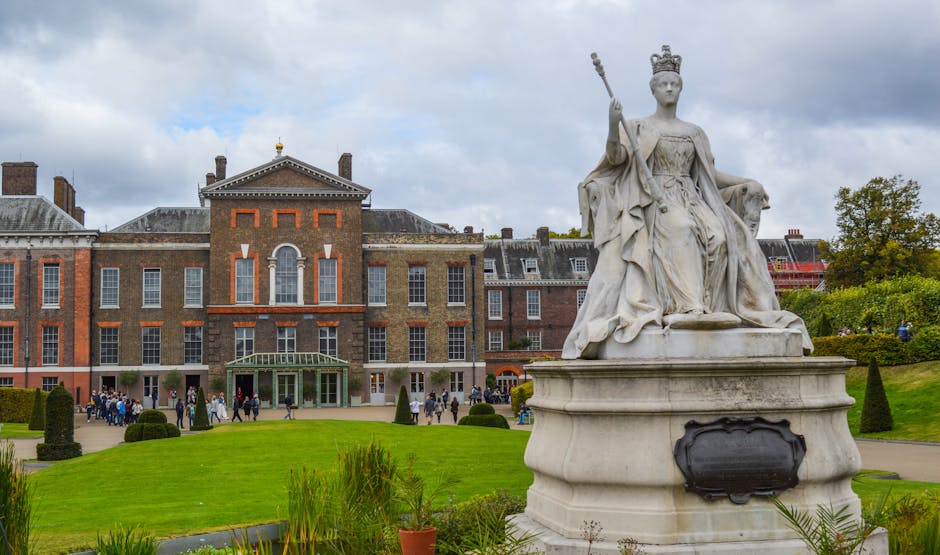
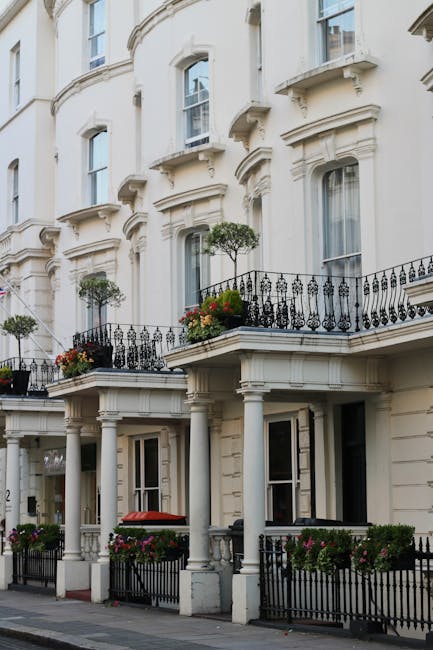
Kensington is a district in west London known for its dense mix of residential streets, museums, garden squares and major institutions. It forms part of the Royal Borough of Kensington and Chelsea, an area shaped by long development from rural settlement and aristocratic estates into a highly built-up urban quarter. The neighbourhood includes a number of recognisable landmarks, among them Kensington Palace, the Royal Albert Hall and the cluster of museums around Exhibition Road, which help define the area’s cultural identity. The district also has a strong architectural character, with terraces, stucco-fronted houses and mansion blocks standing alongside later commercial and institutional buildings. Much of Kensington’s fabric reflects nineteenth-century growth, when transport improvements and speculative building transformed former open land into elegant residential streets. Green space is an important part of the local scene too, with Kensington Gardens forming one of the best-known open areas in central west London and providing a broad landscape of tree-lined paths, formal planting and historic features. Nearby, Holland Park adds another layer of public green space, while smaller squares and private gardens contribute to the area’s distinctive urban texture. Kensington High Street remains a major commercial axis, yet many side streets retain a quieter, more residential atmosphere. The combination of heritage buildings, cultural venues, civic landmarks and open spaces gives the district a layered character that is both metropolitan and carefully ordered.
Care for established gardens

Established gardens often need maintenance that preserves what is already working rather than starting over. Mature planting can give structure and privacy, but it can also create shade, congestion and awkward access if it is not kept in shape. We work to retain the useful parts of the garden while bringing control to growth that has spread too far. That may mean selective pruning, clearing around key plants or restoring definition to beds and borders.
Older gardens sometimes contain a combination of healthy shrubs, tired patchy areas and features that no longer suit the way the space is used. A maintenance visit can address the immediate visual issues without demanding a full redesign. If the layout itself needs more substantial attention, it may be worth looking at our landscaping page, which covers broader outdoor changes as well as maintenance-related adjustments.
The best results usually come from making a few clear decisions before the work starts: what should be reduced, what should be preserved and where the priority lies. That helps keep the job focused and avoids unnecessary disturbance to the garden. If you need advice on the scope, a short description of the site and the result you want is enough to begin shaping a useful quotation.
Preparing a quotation
Quotation requests are easier to handle when they describe the garden in practical terms. It helps to say whether the space is small, medium or extensive, whether it is regularly maintained or overdue for attention, and which tasks matter most. The more clearly the work is framed, the more accurately it can be assessed. You do not need technical language; a plain account of the space and the condition it is in is usually sufficient.
If you can, include photographs and note anything that affects access, such as narrow side passages, locked gates or items that need to be moved carefully. That information allows the work to be planned sensibly and avoids guesswork. It can also help to mention whether you want a single visit, repeated upkeep or a combination of tasks. For questions about how payment or booking arrangements are handled, our pricing and quotes page is the best place to start.
When you are ready, ask for a quotation in plain terms and say what outcome you want from the visit. Clear instructions make the process smoother, especially where the garden contains a mix of mature planting, lawns and hard surfaces. If you want to move ahead, send the details through now and we can take it from there.
Maintaining balance across the whole garden

A well-kept garden usually depends on balance rather than intensive work in one area alone. If the lawn is neat but the borders are crowded, the space still feels untidy; if the hedges are sharp but the paths are littered with debris, the overall impression is weakened. Maintenance is therefore most effective when it considers the whole site and brings each part up to a similar standard. That may involve combining several tasks in one visit.
We can coordinate the practical elements of upkeep so the work makes sense in sequence. Cutting, trimming, clearing and finishing are easier to manage when they are planned together, especially in gardens where one task affects the next. Where waste needs removing or separating, it may be helpful to look at our garden clearance page as well. For broader information about our approach and related services, the about us page gives a fuller picture.
Request a quotation when you are ready. Whether you need regular garden maintenance in Kensington or a more focused tidy-up, the next step is simply to describe the work you want and let us assess it properly. If you would like to discuss the scope first, that is fine too; the important thing is to begin with a clear view of the garden and the result you want.