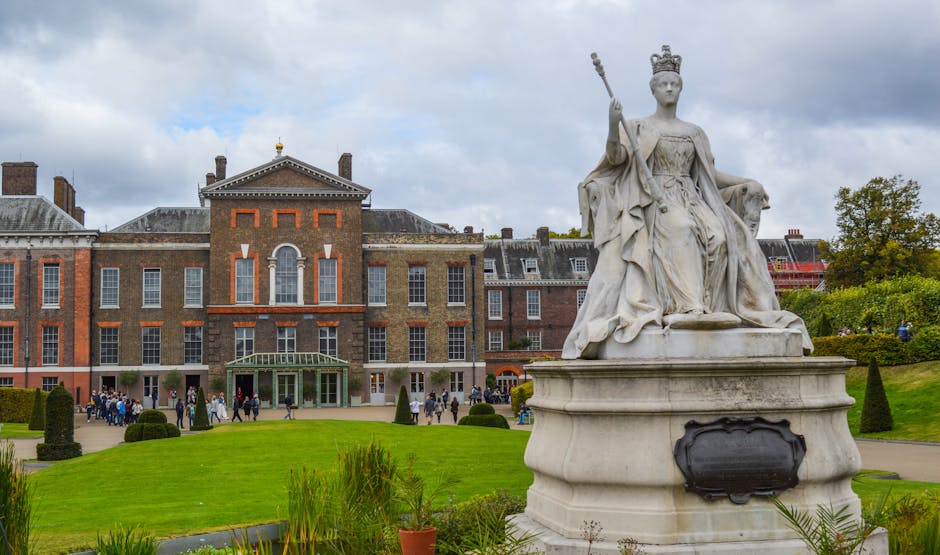
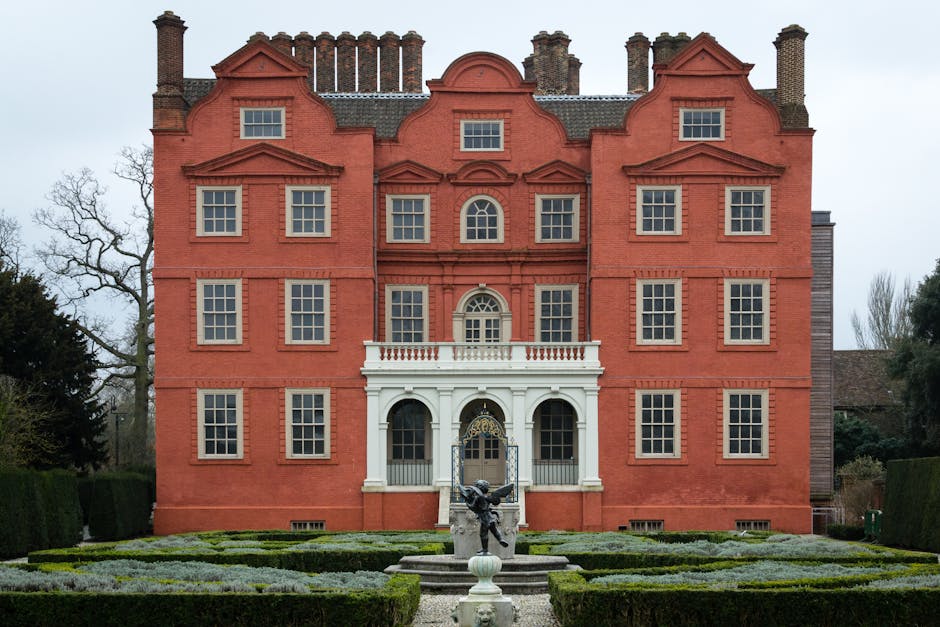
Kensington Palace area gardeners for heritage front gardens
Heritage front gardens in the Kensington Palace area ask for a very particular kind of care. They need a gardener who understands restraint, seasonal rhythm, tidy presentation, and the quiet pressure of making an old setting look effortless. That is exactly where Kensington Palace area gardeners for heritage front gardens come in. Not flashy. Not overworked. Just considered, skilled, and tuned into the character of the place.
If you are looking after a period townhouse frontage, a private mews garden, or a formal entrance that has to look right from the pavement as much as from the window, the details matter. A clipped edge, a balanced shrub line, the right mowing height, or a hedge that does not suddenly dominate the facade. Small things, but they add up fast. In this guide, we will walk through what heritage front garden care involves, how it works in practice, and how to choose the right support without losing the garden's original feel.
For readers who want a broader overview of what professional help can include, the services overview is a useful starting point, and if you need ongoing upkeep, the garden maintenance service is often the practical backbone of a heritage frontage plan.
Why Kensington Palace area gardeners for heritage front gardens Matters
Heritage front gardens are judged quickly. People see them from the street, from a taxi, from the neighbour's doorway, and yes, from your own window every morning when the light is a bit unforgiving. A front garden in a historic Kensington setting is not just green space. It is part of the property's first impression, and sometimes part of the street's wider character too.
That matters for three reasons. First, heritage planting tends to look best when it is maintained with discipline rather than heavy intervention. Second, older properties often have proportions that can be ruined by one too-tall hedge or a bed allowed to go soft and messy. Third, the practical side of access, drainage, paving, and boundary lines is often more awkward than in a modern garden. There is usually less room to improvise.
Truth be told, this is where general garden work and heritage-sensitive garden work begin to diverge. A standard tidy-up may make things neat for a week. A heritage-aware approach keeps the design readable, preserves scale, and respects the architecture. That can mean softer pruning, better timing, or simply refusing to "improve" a space that already has the right bones.
If your frontage needs regular attention rather than a one-off reset, it can help to pair specialist judgement with ongoing support such as hedge trimming and lawn mowing. Those sound simple, and they are, but done well they hold the entire front garden together.
How Kensington Palace area gardeners for heritage front gardens Works
Good heritage front garden care starts with observation. Not the glamorous bit, I know, but it is the bit that prevents avoidable mistakes. A capable gardener looks at the property's style, the density of planting, the front boundary, exposure to shade, foot traffic, and how the garden reads from the street. In a Kensington context, that usually means balancing elegance with practical access and privacy.
The work then tends to fall into a few linked tasks:
- Seasonal pruning: Keeping shrubs, climbers, and small trees in proportion without stripping their shape.
- Surface presentation: Maintaining lawns, edges, paths, and gravel so the frontage feels deliberate rather than tired.
- Plant health care: Spotting stress, disease, poor drainage, or compaction before the whole bed looks flat.
- Boundary control: Managing hedges, climbers, and self-seeding growth near walls, fences, and railings.
- Waste handling: Clearing prunings and debris promptly so the garden does not look half-finished.
Sometimes the job is ongoing maintenance. Sometimes it is a careful recovery after a period of neglect. If a front garden has become overgrown, a measured garden clearance may be the cleanest first step, especially before a restoration plan is put in place.
There is also the question of restoration versus routine care. Restoration is the heavier lift: reshaping beds, removing poorly placed growth, re-establishing structure, and setting a sustainable maintenance rhythm. Routine care is the ongoing, lighter-touch work that keeps the garden stable. A lot of people mix the two up. Fair enough. The difference becomes obvious once the front gate opens and the place either breathes or feels crowded.
Key Benefits and Practical Advantages
A well-kept heritage front garden delivers more than visual polish. It gives the property a sense of order, and in a historic area that sense of order really matters. Here are the main benefits, in plain English.
- Preserves architectural character: The garden works with the building instead of competing with it.
- Protects kerb appeal: A restrained, well-shaped frontage looks expensive even before anyone steps inside.
- Reduces long-term repair work: Regular care helps prevent overgrowth, collapse, and neglected planting that costs more later.
- Improves plant performance: Proper timing and pruning encourage stronger growth and better flowering.
- Makes access safer and easier: Clear paths, cut-back edges, and tidy boundaries reduce trip hazards and awkward squeezes.
- Supports privacy without heaviness: The right hedge or shrub height can screen the street without making the home feel boxed in.
There is also something slightly intangible: a good front garden changes how the whole property feels to live with. You notice it on a damp morning when the steps are clear and the planting looks fresh, not shaggy. You notice it in winter too, when structure matters more than colour and the garden still looks intentional. Nice, calm, sorted. That mood counts.
For many homes, the best results come from combining specialist front-garden care with related work such as landscape gardening or, where the layout needs more than a tidy-up, broader landscaping. The key is to enhance, not overwrite.
Who This Is For and When It Makes Sense
This kind of gardening service is not just for grand houses. It is for anyone who wants a front garden that respects its setting and stays manageable. In the Kensington Palace area, that usually includes period homeowners, landlords, property managers, and residents who are tired of the "it was fine two months ago" cycle.
It makes sense if any of the following sound familiar:
- Your front garden is visible from the street and needs to look consistently smart.
- The planting has become too dense, too leggy, or awkwardly unbalanced.
- The property has a heritage feel and you do not want a modern, overdesigned look.
- You need seasonal help rather than a full redesign.
- You have inherited a garden with good bones but poor upkeep.
- You want someone who understands that a front garden is part of the property's identity.
It is also a sensible choice after construction work, tenant turnover, or a long spell when nobody had the time to keep on top of things. Let's face it, life gets busy. Gardens do not care. They keep growing anyway.
If there are also taller boundary plants or mature specimens that affect light and shape, tree lopping and removal may be relevant in a cautious, limited way. In heritage settings, though, this should be approached carefully and only when truly necessary.
Step-by-Step Guidance
If you are planning heritage front garden work, a structured approach keeps things calm and prevents accidental over-treatment. Here is a practical way to think about it.
- Assess the garden honestly. Stand at the gate and the front door. What looks crowded? What looks tired? What still works?
- Identify the fixed features. Boundaries, steps, walls, railings, paving, and established shrubs usually set the tone. Work around them, not against them.
- Decide what to preserve. Mature shrubs, old roses, box shapes, climbers, and specimen plants often contribute more value than they first appear to.
- Clear only what is necessary. Remove dead material, fallen leaves, and awkward growth first. Do not rush to strip everything back.
- Shape carefully. Pruning should improve proportion and light, not expose every branch like a haircut gone wrong.
- Refresh the ground layer. Mulch, edge, mow, and weed to restore definition.
- Check the rhythm. Decide what needs monthly, seasonal, or annual attention.
- Finish with a street-level review. View the garden from outside. If it looks balanced there, you are probably close.
A small but useful tip: ask how the frontage should look in February as well as May. Spring hides a lot. Winter tells the truth.
For particularly messy starting points, a combination of clearance and maintenance is often the most sensible route. You can see how those services sit together through the services overview, then narrow to the upkeep needed for the season ahead.
Expert Tips for Better Results
There is a real difference between "tidied" and "well managed." The first takes an afternoon. The second takes judgement. A few practical tips make a big difference in heritage front gardens.
- Prune for outline, not volume: Keep the shape readable from a distance. That matters more than shaving every plant into submission.
- Protect sightlines: A front garden should feel welcoming, not defensive. Make sure the entrance still reads clearly.
- Keep a consistent edge: Straight, clean edges do more for a front garden than most people realise. Slightly nerdy, but true.
- Use restraint with colour: Heritage settings often benefit from a tighter planting palette and repeated forms.
- Leave room to breathe: If every bed is packed, the garden loses elegance fast.
- Watch drainage after rain: A damp patch near a path or step can reveal a bigger problem below the surface.
- Plan around the seasons: A front garden can look generous in summer and sparse in winter if it is not designed carefully.
A good gardener will also know when not to act. That sounds odd, but it is one of the clearest signs of skill. Sometimes the right move is to wait until the ideal pruning window, or to trim lightly rather than force a stronger reset. A measured hand usually wins.
If your frontage includes hard surfaces, timber features, or a path that needs smarter definition, related work such as decking services can sometimes support the overall design. Not always, of course. But in the right setting, these elements help the front garden feel finished rather than floating.
Common Mistakes to Avoid
Heritage front gardens are easy to damage without meaning to. A few common mistakes come up again and again.
- Over-pruning: This is the classic one. You wanted "tidy" and ended up with stark.
- Ignoring proportions: A small frontage can be overwhelmed quickly by one too-ambitious shrub.
- Cutting at the wrong time: Some plants respond badly if pruned in the wrong season. The garden will tell you, eventually.
- Forgetting the pavement view: What looks okay from inside may look unbalanced from the street.
- Letting hedges become walls: Privacy is good; a dark, heavy frontage is not.
- Mixing too many styles: Heritage gardens tend to lose clarity when every bed tries to tell a different story.
- Using clearance as a substitute for design: Clearing is useful. It is not the same as restoring structure.
One more, and this one sneaks up on people: making changes without a maintenance plan. You can spend money restoring a front garden and then watch it drift back within a season. Frustrating, really.
If the garden has become difficult to keep on top of, starting with one-off clearance and then moving into routine care is often the least stressful route. Simple, but it works.
Tools, Resources and Recommendations
You do not need a shed full of specialist kit to look after a heritage front garden properly, but the right tools matter. Crisp cuts, clean edges, and safe handling all come from using appropriate equipment and keeping it in decent condition.
Useful tools and materials often include:
- sharp secateurs for fine pruning
- long-handled shears for shaping hedges
- a reliable mower for a neat front lawn
- edging tools for clear lawn and path lines
- rakes and leaf collectors for seasonal tidy work
- mulch or compost for refreshing beds
- protective gloves and eye protection where needed
For most homeowners, though, the bigger question is not the tool set. It is whether the work is being done with a heritage-aware eye. The best results usually come from someone who can explain why a shrub is being reduced, why a hedge is being held at a certain height, or why a plant is being left alone this season. That sort of clarity is reassuring.
When comparing service support, look for practical, readable information about pricing, scheduling, safety, and aftercare. The page on pricing and quotes is a sensible place to check how the process is handled, while insurance and safety matters if the work involves ladders, tools, or boundary structures.
Law, Compliance, Standards, or Best Practice
For heritage front gardens, compliance is usually less about formal paperwork and more about sensible, careful practice. Still, there are real responsibilities to keep in mind.
Where trees are involved, a cautious approach is essential. Some mature trees may be protected or subject to local controls, and even where they are not, overcutting can create health problems or visual damage. If in doubt, get proper advice before any major tree work. In a place like Kensington, it is better to be slow and right than fast and sorry.
Health and safety also matters more than many people expect. Paths can be uneven, gates awkward, and access limited. Tools must be used safely, debris cleared promptly, and work planned around visitors, neighbours, or delivery access. For clients, it is fair to expect that any gardener working on a front garden can explain how they manage risk and protect surrounding surfaces and plants. That is ordinary professionalism, not a bonus.
Best practice in a heritage context usually means:
- keeping intervention proportionate
- preserving existing character where possible
- working seasonally rather than aggressively
- using appropriate waste handling and recycling where available
- recording any major changes so future maintenance is easier
If sustainability matters to you, the approach should be visible in the work itself: less waste, fewer unnecessary removals, and better long-term plant choices. The recycling and sustainability page is useful for understanding how greener garden practices are handled. And if you want to know how standards are supported operationally, the health and safety policy and about us pages add trust by showing the wider approach behind the work.
Options, Methods, or Comparison Table
Not every heritage front garden needs the same level of input. Some need a light, regular hand. Others need a reset. Here is a simple comparison that may help.
| Approach | Best for | What it includes | Main advantage |
|---|---|---|---|
| Routine maintenance | Established front gardens that already have structure | Pruning, mowing, edging, weeding, tidy finishes | Keeps the garden stable and presentable |
| Seasonal upkeep | Gardens that change sharply through the year | Targeted cuts, leaf clearance, bed refreshes, planting checks | Matches the garden to the season |
| Restoration work | Overgrown or neglected heritage frontages | Selective clearance, rebalancing, re-shaping, re-establishing structure | Brings back clarity without losing character |
| Full landscape adjustment | Front gardens with layout or access issues | Structural changes, hard landscaping, planting redesign | Solves deeper functional problems |
A lot of properties sit between the first and second rows. That is normal. You do not have to turn a front garden into a grand project to make it look right. Sometimes all it needs is disciplined maintenance, a couple of careful cuts, and a better seasonal rhythm.
Case Study or Real-World Example
Imagine a narrow Victorian frontage near the Palace area: clipped hedge at the boundary, one small lawn strip, two mature shrubs, and a climbing plant running a little wild by the doorway. At first glance it looks fine. Then you notice the hedge leans forward, the lawn edge has softened into a wobbly line, and the climber is starting to crowd the door frame. Nothing dramatic. Just enough to make the house look a bit tired.
The sensible fix would not be to strip it bare. A heritage-aware gardener would likely start with a light clearance of dead material, reduce the hedge evenly, reshape the shrub line to restore balance, and tidy the entrance so the doorway feels open again. If the lawn is still healthy, it may only need a clean cut and sharper edging. If the climber is valuable, it might be trained rather than removed. That is the point. Keep the good stuff. Correct the drift.
By the time the work is finished, the house has not changed identity. It just looks like someone is paying attention. That subtle shift is often what clients want, even if they do not say it out loud. A garden can feel calmer after one proper intervention. You notice it when you walk up the path, and you definitely notice it when rain beads on the leaves in the evening light.
For ongoing support after a restoration like that, regular lawn mowing, hedge trimming, and general upkeep keep the front garden from slipping back into that "almost there" stage.
Practical Checklist
Use this checklist before booking work or planning your own front garden maintenance. It helps keep the job focused and realistic.
- Have you looked at the garden from the street as well as from inside?
- Do you know which plants, hedges, or trees should be preserved?
- Are there any signs of overgrowth, dieback, or congestion?
- Is the front path, step, or entrance clear and safe?
- Has the lawn edge been defined recently?
- Do the beds still feel proportionate to the house?
- Is there a clear plan for seasonal pruning?
- Will any waste need to be removed after the work?
- Do you need restoration, routine maintenance, or a mix of both?
- Have you asked about insurance, safety, and quote details?
Expert summary: The best heritage front gardens are rarely the most dramatic ones. They are the ones that feel quietly composed, season after season, because the maintenance is thoughtful and consistent. That is the whole game, really.
Conclusion
Kensington Palace area gardeners for heritage front gardens are about far more than keeping things tidy. They protect character, keep proportions in check, and make sure a frontage feels worthy of its setting. Done well, the result is calm, elegant, and easy to live with. Not overdone. Not too precious. Just right.
The smartest approach is usually a blend of careful assessment, selective pruning, regular maintenance, and a respect for what is already there. If you treat a heritage front garden as something to be understood rather than simply "fixed," you tend to get better results and fewer regrets. And honestly, that is a relief for everyone involved.
When you are ready to take the next step, explore the relevant service options, check how the work is handled, and choose support that values restraint as much as finish.
Get a free quote today and see how much you can save.
Frequently Asked Questions
What makes a front garden "heritage" in practice?
Usually it means the garden sits within a period property setting or has design features that rely on proportion, restraint, and continuity. It does not have to be formally listed to deserve careful handling.
Do heritage front gardens need different care from modern gardens?
Yes, often they do. The aim is usually to preserve character rather than impose a bold new style. That means more selective pruning, gentler shaping, and a stronger focus on balance.
How often should a heritage front garden be maintained?
It depends on the planting and exposure, but many front gardens benefit from regular attention through the growing season, with extra seasonal work in spring and autumn. Some need monthly touchpoints, others less.
Can overgrown heritage gardens be restored without losing character?
Usually, yes. The key is to clear and reshape carefully rather than cutting everything back at once. A thoughtful restoration preserves the best parts and removes only the excess.
What should I ask before booking Kensington Palace area gardeners for heritage front gardens?
Ask how they approach pruning, whether they understand heritage styling, how waste is handled, what insurance they carry, and whether they offer a quote that reflects the actual condition of the garden.
Is hedge trimming important for a heritage frontage?
Very much so. A hedge can frame the whole property, define privacy, and control scale. If it grows unevenly, the entire front garden can start to look unbalanced.
What if my front garden includes mature trees?
Then extra care is needed. Mature trees may affect light, structure, and safety, and some work should be treated cautiously. If major tree work is needed, it should be approached conservatively.
Can a front garden look neat without looking severe?
Absolutely. That is usually the goal. Clean edges, balanced pruning, and well-timed maintenance can keep a garden smart without making it feel clipped into submission.
Does a heritage front garden need landscaping work or just maintenance?
Sometimes just maintenance is enough. But if the layout, drainage, hard surfaces, or access are flawed, some landscaping may be the better long-term fix.
How do I know if my garden needs clearance first?
If you cannot clearly see the structure, paths, or main plants because of congestion, a clear-out is often the right first step. After that, maintenance becomes much easier to manage.
Are sustainability and waste handling part of good garden care?
Yes, they should be. Responsible disposal, recycling where possible, and avoiding unnecessary removals are all part of good practice in a heritage setting.
Where can I find more about the company's policies and approach?
You can review the about us page for background, the insurance and safety page for risk handling, and the complaints procedure if you want to understand how issues are dealt with. It is not the glamorous reading, but it does matter.
Heritage front gardens reward patience. Give them that, and they tend to give you something quietly beautiful back.