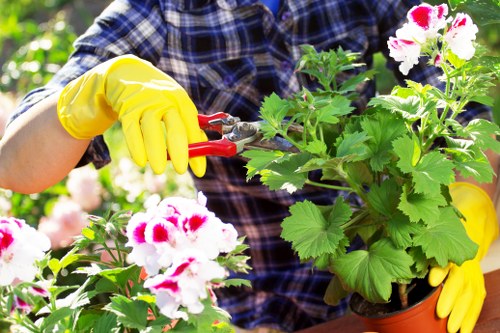
Garden Maintenance Kensington: Recycling and Sustainability
Garden Maintenance Kensington is committed to creating an eco-friendly waste disposal area and a long-term sustainable rubbish gardening area across Kensington and surrounding boroughs. Our approach to green care balances efficient garden upkeep with practical recycling, reuse and low-carbon operations so clients receive beautiful outdoor spaces that reduce environmental impact.Our Recycling Percentage Target
We aim to divert a substantial portion of garden waste from landfill. Our corporate target is to achieve a 70% recycling rate of all garden-origin materials by 2028, rising from our current baseline through improved separation at source, increased on-site composting, and stronger partnerships for reuse. This target is ambitious but measurable: regular audits, weight-based tracking and transparent reporting underpin the goal. How local boroughs separate waste: Kensington and nearby boroughs increasingly support household and commercial separation schemes—glass, paper, mixed recycling, food waste and garden waste are often collected separately. We align Garden maintenance in Kensington with these local systems by carrying distinct containers on-site and educating teams on borough-specific separation rules.
Low-carbon operations are central to our sustainable garden maintenance in Kensington. We maintain a fleet of low-carbon vans and electric-assist trailers to reduce CO2 emissions during transfers. These vehicles follow optimized route plans to lower mileage; where feasible we use fully electric vans for smaller jobs and hybrid models for heavier loads, ensuring low-carbon transport for material movements to transfer stations and partner facilities.
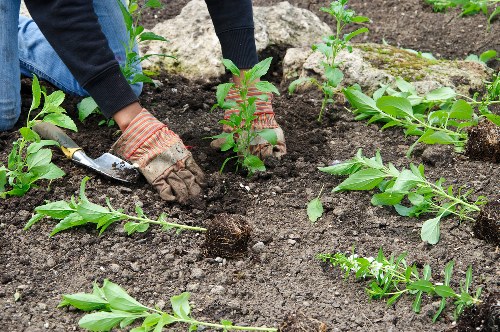
Partnerships with Charities and Community Reuse
We work closely with local charities and community organisations to give materials a second life. Usable soil, potted plants, decorative stone and intact garden furniture are offered to community gardens and charitable projects. These collaborations reduce waste, support local green projects and strengthen the circular economy in Kensington.Our sustainable rubbish gardening area approach encourages on-site sorting and staged storage. Organic clippings are separated from plastics, treated wood and metals. Non-organic items that cannot be reused are sent to approved local transfer stations for further sorting and processing, while clean green material goes to local composting facilities.
 We maintain a clear list of nearby transfer stations and processing centres that accept garden waste from Garden Maintenance — Kensington operations. These include borough transfer points and regional green waste composting centres. By choosing facilities close to work sites we cut haul distances and associated emissions; we also prioritise sites with high diversion rates to ensure material is processed responsibly rather than landfilled.
Specific recycling activities we coordinate with local authorities and clients include:
- Separate collection of green waste (grass cuttings, prunings) for industrial composting or anaerobic digestion
- Sorting and recycling of metals, terracotta and hard landscaping materials
- Reuse of soil and mulch for on-site top-ups where contamination is not present
- Segregation of treated timber and safe disposal via licensed facilities
Local approach to waste separation means our crews follow borough-specific bin colours and accepted materials lists. In several Kensington wards, garden waste and food waste are collected separately from dry recyclables—our teams mirror that separation so transfer stations receive cleaner streams that are easier to recycle.
 Our on-site sustainable rubbish gardening area setup includes dedicated bays for compostable material, a secure area for reusable items awaiting charity pickup, and compacting or baling of plastics when needed to reduce transport volume. These bays are signposted and managed daily so contamination rates stay low.
Reporting and continuous improvement: We publish internal summaries of recycled tonnages, vehicle emissions and reuse statistics to monitor progress against the 70% target. Regular training for staff on separation best practice, plus seasonal reviews of routes and depot operations, keeps Kensington garden maintenance practices efficient and low-impact.
By integrating low-carbon vans, active partnerships with charities, use of local transfer stations, borough-aware waste separation and ambitious recycling goals, Garden Maintenance Kensington creates a replicable model for green gardening. Our commitment is to deliver excellent horticultural care while shrinking environmental footprints—every pruned branch and bagged leaf is managed with reuse or recycling as the preferred outcome.