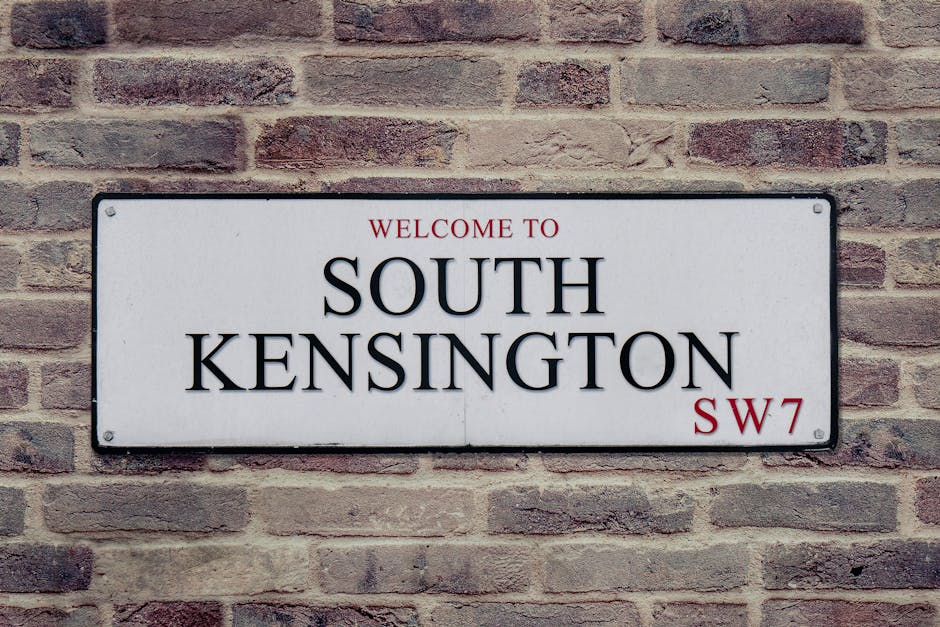
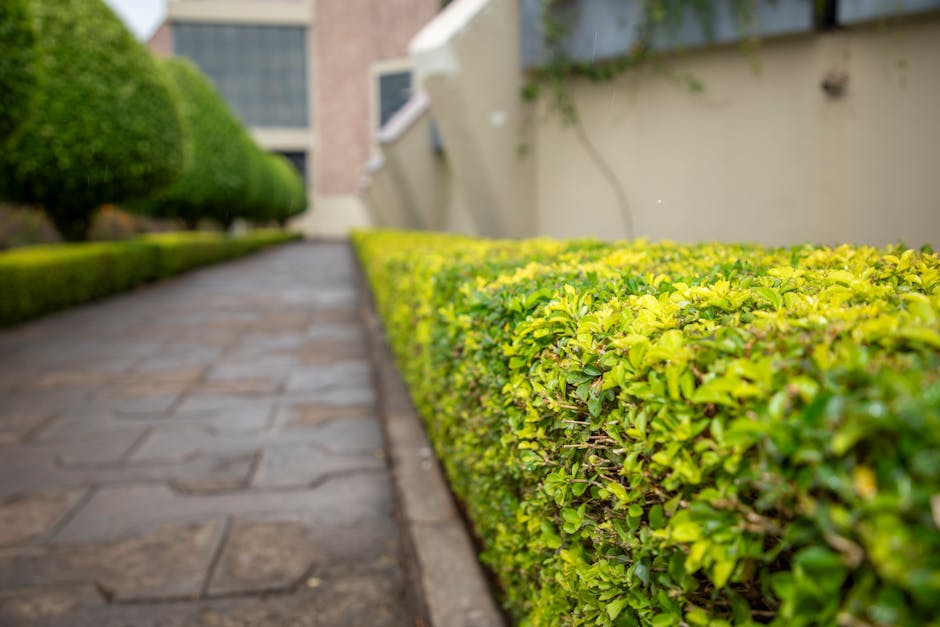
Do I need a permit for hedges in Kensington council area
If you are asking, "Do I need a permit for hedges in Kensington council area?" the honest answer is: usually not for routine hedge trimming, but sometimes yes depending on what you're doing, where the hedge sits, and whether the work affects a protected tree, boundary, neighbour, or public highway. That's the bit people often miss. A simple cut-back in your own garden is one thing. Removing a tall hedge near a wall, cutting back into a tree, or working on a boundary line is another. Easy to assume it's all the same. It isn't.
This guide breaks it down in plain English so you can avoid awkward surprises, wasted money, or a job being halted halfway through. You'll find out when permission may be needed, what to check before any hedge work, how Kensington-area rules can intersect with broader UK practice, and how to move forward confidently. If you need hands-on help, our hedge trimming service and broader garden maintenance support can make the process straightforward.
Table of Contents
- Why the question matters
- How hedge permits and permissions work
- Key benefits and practical advantages
- Who this is for and when it makes sense
- Step-by-step guidance
- Expert tips for better results
- Common mistakes to avoid
- Tools, resources and recommendations
- Law, compliance, standards, or best practice
- Options, methods, or comparison table
- Case study or real-world example
- Practical checklist
- Conclusion
- Frequently asked questions
Why Do I need a permit for hedges in Kensington council area Matters
Hedges look simple from the pavement. Green, tidy, and harmless. But once a hedge becomes tall, dense, or tied up with a boundary, planning rules and property responsibilities can start to matter. In Kensington, as in other London boroughs, hedge work may sit alongside planning controls, conservation considerations, neighbour relations, and tree protections. That means the question is not just about gardening; it can also be about compliance and risk.
Why does this matter so much? Because a hedge that seems like "just trimming" can quickly become a bigger issue if it is:
- part of a protected setting or conservation environment
- growing near a tree with protection in place
- shared with a neighbour on a boundary line
- overhanging a footpath, road, or access route
- being reduced drastically rather than maintained
People often call asking for a quick yes-or-no answer. Fair enough. But the safer and more useful answer is that hedge maintenance rarely needs a permit in the everyday sense, while more significant hedge alteration can trigger checks or permissions. A tidy annual trim is normally low drama. A major reduction, removal, or work affecting a tree is where caution pays off.
If you are already dealing with an overgrown garden, our garden clearance and services overview pages can help you see how hedge work fits into wider outdoor upkeep. That broader view matters, because hedge work is often just one piece of the garden puzzle.
How Do I need a permit for hedges in Kensington council area Works
Here is the simple version: for normal hedge trimming, you usually do not need a permit. But if the work affects a protected tree, a planning condition, a boundary dispute, or a public-facing area, you may need to check with the local authority or seek professional guidance before starting.
In practice, the process usually looks like this:
- Identify what you are actually dealing with. Is it a hedge only, or is it mixed growth with trees, climbers, or woody stems that are effectively part of a tree canopy?
- Check the location. Is it wholly within your garden, on a shared boundary, or near a road, path, or communal area?
- Look for protected status. In London, a tree preservation order, conservation context, or planning restriction can change what is allowed.
- Decide whether the work is routine maintenance or a major change. Light shaping and seasonal trimming are very different from severe reduction or removal.
- Confirm before proceeding if there is any doubt. That may mean speaking to the council, checking planning documents, or getting a qualified gardener or arborist to assess the hedge.
That final step is the one many people skip. Then they get halfway through a job and realise they have cut into what may actually be a protected tree structure. Not ideal. And yes, it can turn a Saturday morning tidy-up into a proper headache.
For practical hedge upkeep, regular hedge trimming is usually the safest route because it keeps growth controlled without pushing into bigger permission questions. If the hedge is mixed with taller woody growth, the tree lopping and removal service may be more relevant for assessment first.
Key Benefits and Practical Advantages
Staying on top of hedge rules gives you more than peace of mind. It keeps the job smoother from start to finish.
- You avoid delays. Nobody wants to book a gardener, start the work, then pause while permission is checked.
- You reduce neighbour friction. Hedge disputes can get surprisingly emotional. A measured approach helps keep things calm.
- You protect the hedge itself. Overcutting can leave gaps, scorch lines, or weak regrowth. A hedge can look tidy one week and patchy the next.
- You lower the risk of accidental damage. That includes damage to walls, fencing, roots, utility features, and nearby trees.
- You make future maintenance easier. Regular, compliant trimming is usually cheaper and less stressful than corrective work later.
There is also a subtle but real benefit: a well-kept hedge tends to frame a property nicely. It can make a front garden feel cleaner, quieter, and more intentional. Small thing, maybe. But it changes how a place feels when you walk up to it on a damp London afternoon.
If your hedge work is part of a bigger garden refresh, pairing it with landscaping or landscape gardening can help the whole outdoor space feel coherent rather than patched together.
Who This Is For and When It Makes Sense
This question matters to a few different people, and each one is looking at it from a slightly different angle.
- Homeowners who want to keep a hedge tidy without stepping into permission issues.
- Landlords and managing agents responsible for keeping a front boundary or communal garden under control.
- Tenants who are unsure what they are allowed to trim and what needs approval first.
- Residents near shared boundaries where hedge ownership is not crystal clear.
- People with mature or mixed planting where a hedge may include tree growth, not just shrubs.
It also makes sense for anyone planning seasonal work. Late spring and late summer are common hedge-maintenance windows, but timing depends on the species, the growth rate, nesting considerations, and the overall look you want. Truth be told, many hedges only need modest, regular care. A bit off the sides, a bit off the top, done properly. Nothing dramatic.
For properties that feel a bit neglected, combining hedge work with lawn mowing and wider garden maintenance can be the difference between "caught up" and "still looks messy".
Step-by-Step Guidance
If you are trying to work out whether you need permission, use this practical process before you touch the hedge.
- Inspect the hedge carefully. Look at the base, stem structure, height, and whether there are thicker trunks or tree-like stems mixed in.
- Check the boundary. Is the hedge fully on your side, on a shared line, or clearly owned by someone else? If in doubt, don't assume.
- Think about the size of the job. Light shaping is generally different from a heavy reduction or removal.
- Consider nearby protections. If the hedge sits close to a tree, wall, listed feature, conservation setting, or public route, slow down and verify.
- Decide whether you need advice before work starts. This may be from a professional gardener, arborist, or the council if the matter appears planning-related.
- Book the right service. If the job is mostly maintenance, a specialised hedge team makes sense. If the hedge is overgrown beyond normal trimming, you may need more than a quick cut.
- Keep records. Photos before and after are useful, especially if the hedge sits near a boundary or shared space.
One small practical tip: take a photo from a few metres back in daylight before anyone starts. You'd be surprised how much easier this makes later conversations if a neighbour asks, "How far back was it before?" It's not glamorous, but it helps.
If the work turns out to need a more careful inspection, our about us page explains the kind of practical, tidy approach we aim for, while contact us is the quickest route if you want to discuss a hedge that might need a more tailored plan.
Expert Tips for Better Results
Good hedge work is not just about cutting green things into a line. The best results usually come from pace, observation, and restraint. A hedge that looks great in the evening light often got there because someone respected its shape rather than hacking at it. Sounds obvious. People still get it wrong all the time.
- Trim a little and assess. Start light, then step back and check the profile before taking more.
- Keep the top slightly narrower than the base where suitable. That helps light reach the lower growth and reduces bare patches.
- Use the right season for the species. Some hedges tolerate frequent shaping; others need a gentler touch.
- Avoid cutting into old brown wood unless the hedge type supports it. Many hedges do not regenerate well from hard old stems.
- Watch for nesting birds and wildlife. Even a quick trim should be planned with care and sensitivity.
There is also a maintenance rhythm that works well in urban gardens: keep the hedge manageable early rather than waiting until it is sprawling over the path. A little-and-often approach usually looks better and costs less over time.
For bigger gardens or mixed outdoor projects, it can help to align hedge work with landscaping so borders, paths, and planting all work together instead of competing for attention.
Common Mistakes to Avoid
A lot of hedge problems are self-inflicted, and most of them are avoidable. Here are the big ones.
- Assuming all hedges are treated the same. A formal box hedge and a mixed boundary hedge are not the same thing at all.
- Confusing maintenance with major alteration. Routine trimming usually sits in a different category from heavy reduction or removal.
- Ignoring neighbouring property lines. If the hedge straddles a boundary, both sides may have a say.
- Cutting too hard, too fast. That often creates uneven regrowth and a sparse look that takes years to fix.
- Not checking for tree protection. This is a classic one. A hedge may be growing under or around protected tree structure without anyone noticing.
- Leaving the garden waste unmanaged. A big pile of cuttings makes even a neat hedge job feel unfinished.
To be fair, garden jobs often start as "just a quick tidy" and then turn into a whole afternoon. Gloves on, hedge trimmings everywhere, tea gone cold. It happens. The key is not to rush the decision-making before the first cut.
When waste builds up, it can make sense to arrange garden clearance so the work ends cleanly rather than leaving you with bags, branches, and an awkward trip to sort it later.
Tools, Resources and Recommendations
You do not need a giant toolkit to assess hedge permission questions, but you do need a sensible one.
- A tape measure for checking rough height and spread.
- Phone camera for before-and-after photos, especially near boundaries.
- Gloves and eye protection if you are doing any trimming yourself.
- Basic garden shears or hedge trimmers for light maintenance, depending on hedge size and density.
- Site notes for recording dates, observations, and any neighbour conversations.
On the service side, it helps to choose a provider that takes both appearance and compliance seriously. Our insurance and safety page explains the sort of care you should expect from a professional garden service, while health and safety policy information is useful if the hedge work involves ladders, tools, or awkward access.
If you care about keeping garden jobs responsible as well as tidy, the recycling and sustainability page is worth a look too. Hedge work can generate a surprising amount of green waste, and sorting it well is just good practice.
For pricing questions, the pricing and quotes page is the practical place to start if you want to compare options before booking. No one enjoys vague costs. Not even close.
Law, Compliance, Standards, or Best Practice
This is where careful wording matters. In the Kensington area, the exact answer to whether a permit is needed depends on the nature of the hedge, the property context, and any planning or tree-related restrictions that may apply. Routine hedge maintenance often falls outside permit territory. More significant work may not.
Good practice in the UK usually means checking a few things before proceeding:
- whether the hedge is purely ornamental or part of a boundary
- whether there is any tree protection nearby
- whether the property is in a sensitive planning context
- whether the work could affect access, safety, or a neighbour's use of land
- whether the hedge is near a public footway or road edge
There is also a responsibility angle. Even when no permit is required, work should be carried out in a way that avoids nuisance, damage, and unsafe conditions. That means managing debris, using equipment carefully, and not leaving sharp cuttings where people or pets might step.
If you are unsure whether the hedge is really a hedge or has effectively become tree-like growth, it is safer to have it assessed first. That is exactly the kind of judgment call that prevents problems later. Better boring than sorry, as the saying should go.
Options, Methods, or Comparison Table
Here is a simple comparison of common hedge-work scenarios and how they are usually approached. This is not a substitute for a formal check where restrictions may apply, but it gives you a useful working guide.
| Scenario | Typical approach | Permission risk | Best next step |
|---|---|---|---|
| Light seasonal hedge trim | Routine maintenance to shape and control growth | Usually low | Proceed if no protected features are affected |
| Heavy reduction of a mature hedge | More drastic cutting back of height or spread | Moderate | Check whether planning or boundary issues apply |
| Hedge mixed with tree growth | May involve branches that are not just hedge material | Higher | Get a professional assessment first |
| Boundary hedge shared with a neighbour | Requires clear ownership and communication | Moderate to high | Confirm responsibility before work starts |
| Hedge near public pavement or road | Needs safe access and careful debris control | Moderate | Check for local restrictions and keep the area safe |
In real life, the decision often comes down to this: is the hedge being maintained, or is it being altered in a way that changes the site? That little distinction can save a lot of faff.
Case Study or Real-World Example
Here is a realistic example from the kind of job many people face in Kensington-style residential streets.
A homeowner has a tall front hedge that has been clipped for years, but this season it has pushed up and out more than usual. The pavement feels tighter, passers-by brush the edge, and the bottom has started to go woody. The owner wants it lowered by quite a bit, not just neatened.
At first glance, it looks simple. But once measured, the hedge is close to a mature tree and sits near a boundary with a neighbour who is already sensitive about privacy. The sensible move is not to start cutting immediately. It is to check whether the hedge includes tree-like growth, assess ownership, and decide whether the job is routine maintenance or something more substantial.
In that situation, the outcome is usually better when the work is planned carefully rather than rushed. A lighter trim may be enough for now. If more work is needed, it can be phased in, with the hedge kept healthy rather than scalped. That matters because a badly reduced hedge often looks worse for longer than people expect.
We see this with overgrown gardens quite often. The most successful jobs are the ones where someone paused, looked properly, and asked the right question first. Simple, really. Not always easy, but simple.
Practical Checklist
Use this checklist before you trim, reduce, or remove a hedge.
- Confirm whether the hedge is fully on your land or shared
- Check whether any trees are mixed into the hedge structure
- Look for conservation, planning, or protected-tree considerations
- Decide whether the work is routine maintenance or major alteration
- Take clear before photos
- Speak to neighbours if the hedge sits on or near a boundary
- Make sure equipment is suitable and safe for the size of the job
- Plan for waste removal or green waste recycling
- Book a professional if the hedge is tall, dense, or unclear in ownership
- Keep records in case anyone queries the work later
If you tick all ten boxes, you are usually in a far stronger position. And if a few boxes are still uncertain, that is your signal to slow down rather than guess.
Get a free quote today and see how much you can save.
Conclusion
So, do you need a permit for hedges in Kensington council area? In most everyday cases, no - not for straightforward hedge trimming. But once the work becomes more significant, affects a tree, touches a boundary, or sits in a sensitive location, the answer can change quickly. That is why a quick check before cutting is so valuable.
The safest approach is simple: identify the hedge properly, understand the site context, and treat routine maintenance differently from major alteration. A calm, methodical start usually leads to a cleaner result and fewer surprises. And honestly, that is what most people want from garden work anyway - no drama, just a neat finish and a job done properly.
If you want help keeping your hedge tidy, healthy, and handled with care, a professional assessment can save time and stress. Small decisions early on make a big difference later. That's gardening for you.
Frequently Asked Questions
Do I need a permit just to trim a hedge in Kensington?
Usually not for normal maintenance trimming. If the work is routine and does not affect protected trees, shared boundaries, or planning restrictions, it is often straightforward. The key is whether you are simply maintaining the hedge or changing it in a more significant way.
When does hedge work become something that needs checking first?
If you are reducing height a lot, removing sections, working near a protected tree, or dealing with a hedge on a boundary line, you should check first. The more the job changes the structure or location of the hedge, the more likely it is that permission or advice may be needed.
Can a hedge be protected even if it does not look like a tree?
Yes. A hedge may be made up of shrubs, but it can still sit in a protected setting or include stems that are treated as tree growth. That is why a proper look at the structure matters before you start.
What if my hedge is on the boundary with my neighbour?
Boundary hedges can get tricky because ownership and responsibility may be shared or unclear. Before trimming or reducing a boundary hedge, it is wise to confirm where the boundary sits and have a quick conversation with the neighbour if needed.
Is there a difference between hedge trimming and hedge removal?
Absolutely. Trimming is usually maintenance. Removal is a major change and can trigger a very different set of concerns, especially if the hedge forms part of a boundary or includes protected material. Removal should always be checked more carefully.
Does a hedge near a pavement need extra care?
Yes. If a hedge overhangs a pavement or road edge, you need to think about visibility, safe access, and debris control. Even where no permit is needed, you still have to keep the area safe for people passing by.
How can I tell whether my hedge includes tree growth?
Look for thicker woody stems, a trunk-like base, or branches that rise above the main hedge line. If you are unsure, it is better to have it checked than to assume. Mixed growth is one of those things that looks obvious only after someone points it out.
What should I do before booking hedge work?
Check the hedge location, take photos, confirm whether it is routine maintenance or a major alteration, and think about any neighbour or boundary issues. If the site is complicated, ask for advice before booking the job.
Can I do hedge work myself if I am careful?
For light maintenance, many homeowners do. But if the hedge is tall, overgrown, near a road, or mixed with tree growth, it can be safer to use a professional. Working at height with cutting tools is not the place for guesswork.
What happens if I trim a hedge without checking and it turns out to be protected?
The exact consequences depend on the circumstances, but it can lead to complaints, delays, or enforcement issues. If in doubt, stop and get advice before continuing. That is much easier than trying to undo the problem later.
How often should hedges be maintained in a busy urban garden?
It depends on the species and growth rate, but many urban hedges benefit from regular light maintenance rather than occasional severe cutting. Small, consistent trims usually keep the shape better and reduce the chance of a big job later.
What is the best next step if I am still not sure?
Get the hedge assessed by a knowledgeable gardener or arborist who understands local conditions. A quick inspection can tell you whether the job is simple maintenance or something that needs more careful handling. That little bit of certainty is worth a lot.